Best AI PR Tools
Managing PR campaigns manually can quickly become overwhelming, especially for teams handling media outreach, monitoring, reporting, and social media at the same time.
Managing PR campaigns manually can quickly become overwhelming, especially for teams handling media outreach, monitoring, reporting, and social media at the same time.
That’s one reason AI PR tools are becoming more popular. Many platforms now help automate repetitive tasks, making it easier for PR teams to stay organized and respond faster during campaigns.
After researching several popular tools, we found three AI PR tools that stand out in 2026.

How We Chose the Best AI PR Tools
To compare these platforms, we looked at:
- AI features: How each platform uses AI to improve PR workflows and automate repetitive tasks.
- Media database quality:The size and usability of each platform’s journalist and media contact database.
- Monitoring and analytics tools:How effectively the platform tracks brand mentions, audience sentiment, and campaign performance.
- Ease of use:Whether the platform feels intuitive and manageable for different types of PR teams.
- Pricing: Whether the platform offers good value for its features, especially for teams with different budget sizes.
The 3 Best AI PR Tools in 2026
1)Cision
Best for: Media Outreach
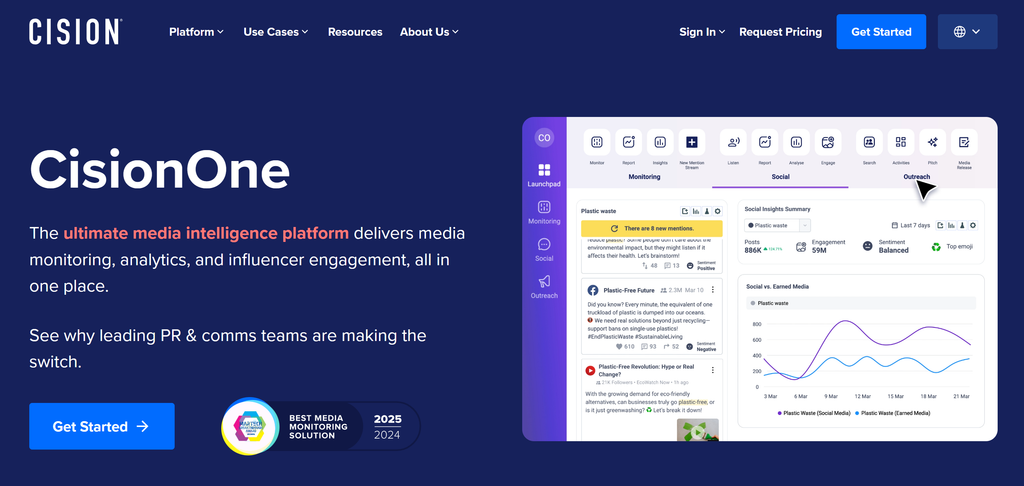
Cision is one of the best-known PR platforms for large companies and agencies. Instead of focusing on just one feature, the platform combines media outreach, press release distribution, monitoring, and reporting into a single workflow.
One thing that stands out immediately is the size of its media database. It is one of the strongest among traditional PR platforms. Teams can search for journalists by industry, publication, or location, which makes outreach feel more targeted instead of sending generic pitches to large contact lists.
The platform also includes AI-powered monitoring tools that track brand mentions and media coverage in real time. For companies managing multiple campaigns at once, this can make reporting and campaign tracking much easier.
Key Features
- Large media and journalist database
- AI-powered media monitoring
- Sentiment analysis
- Press release distribution
- Campaign reporting tools
Example Use Case
If you work for a big or global enterprise launching a product campaign across different markets, Cision would be a good choice.
A PR team could use Cision to build media lists, distribute press releases, and monitor coverage from one dashboard instead of switching between multiple tools.
Limitations
Cision may feel too complicated for smaller businesses or startups that only need basic outreach tools. The platform can also take time to learn, especially for users who are new to PR software.
Pricing is another limitation. Cision’s pricing and plans are not publicly available. Their pricing page suggests that Cision doesn’t have fixed plans and that each package is custom-tailored to your needs.
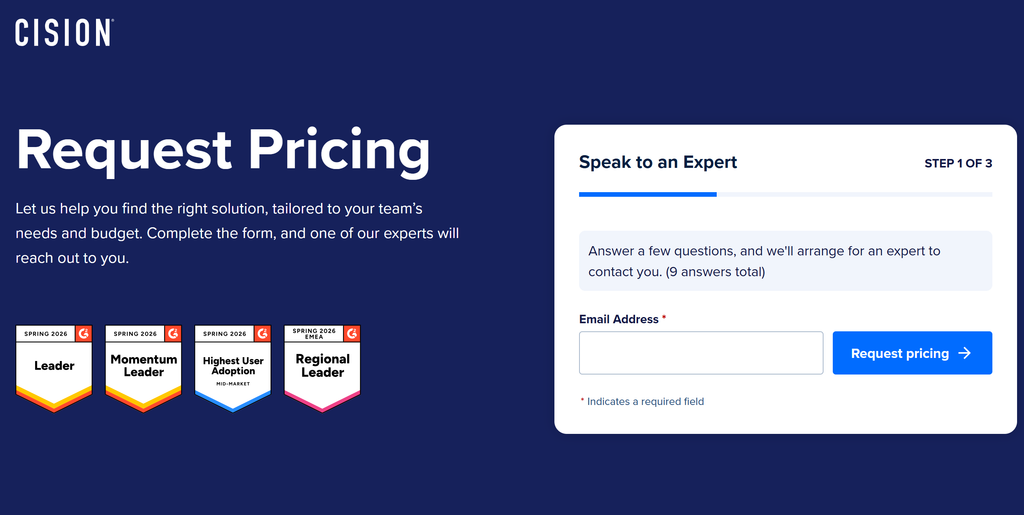
Based on general research and estimates, Cision pricing starts at around $10,000 annually.
2)Prowly
Best for: PR Workflow Management
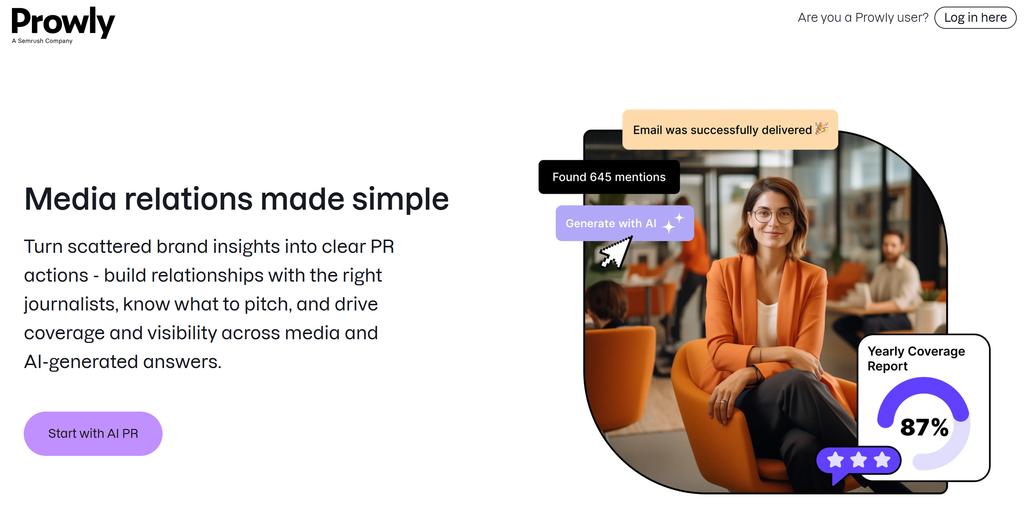
Prowly (now purchased by Semrush) is a more beginner-friendly PR platform that has become popular among startups, freelancers, and smaller agencies.
Compared with larger enterprise tools, the platform focuses more on simplicity and day-to-day workflow management. The interface also feels cleaner and easier to navigate, which makes the platform less overwhelming for teams that are new to PR software.
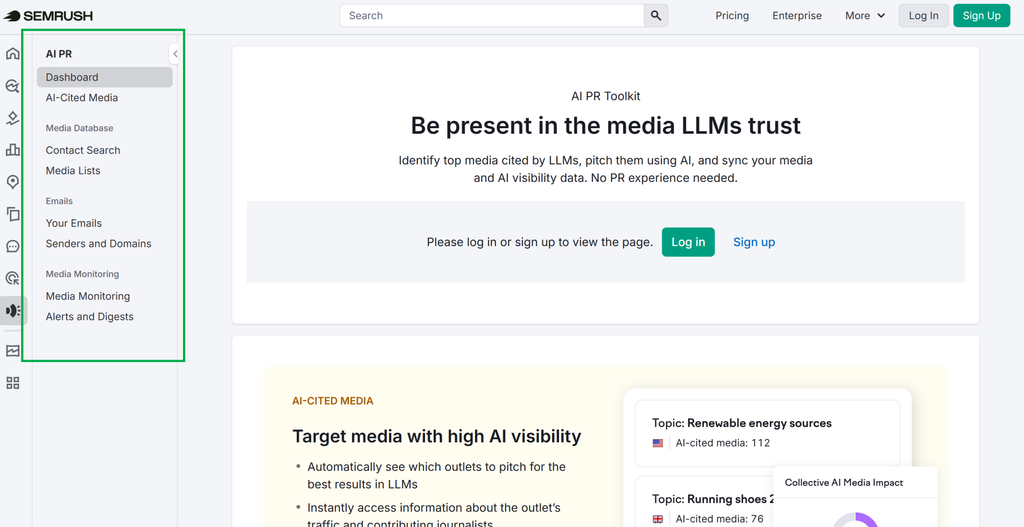
In addition to media outreach tools, Prowly also includes a built-in PR CRM for organizing journalist contacts and tracking outreach history.
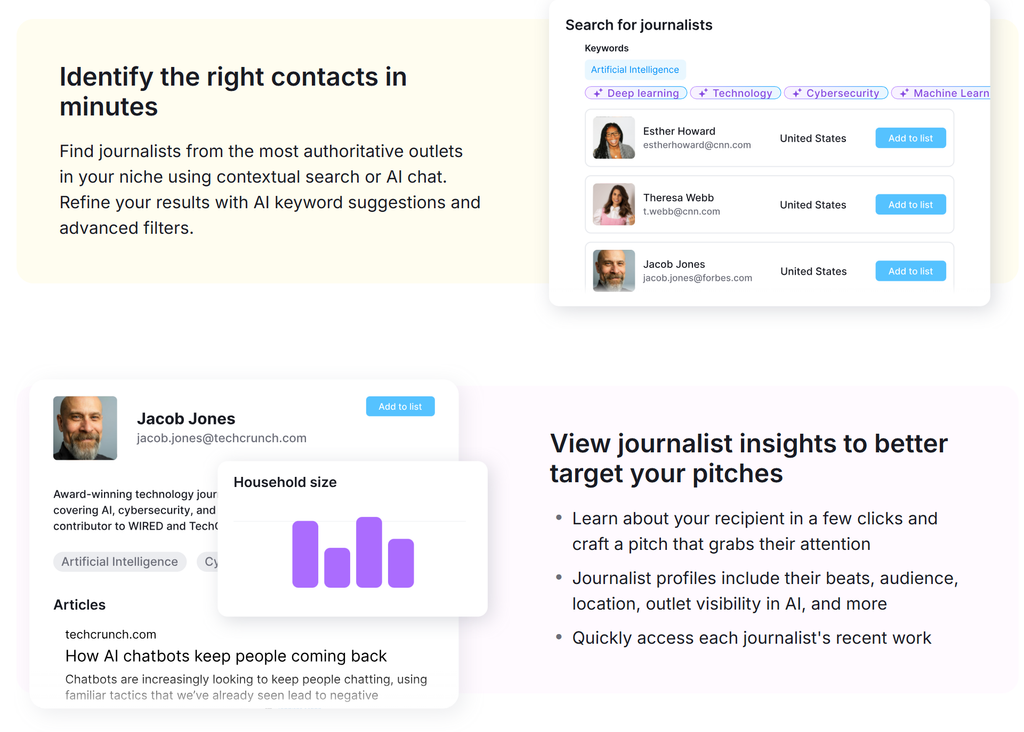
Another useful feature is its AI-assisted writing tools, which can help users create press releases and PR content more quickly.
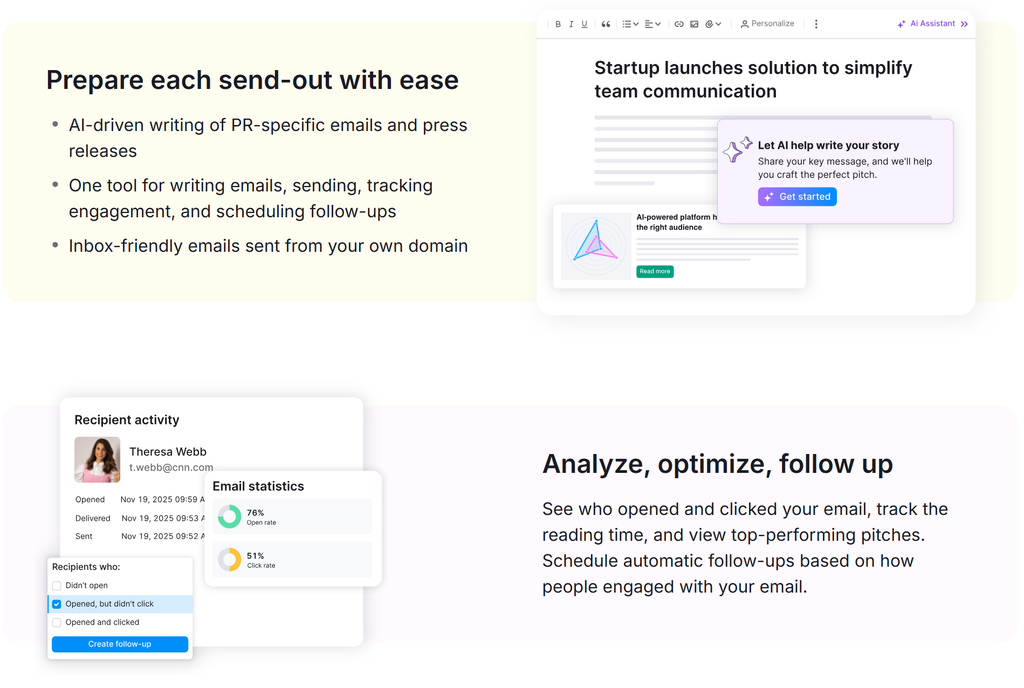
Key Features
- Media outreach management
- AI-assisted press release writing
- PR CRM tools
- Campaign organization
- Journalist database
Example Use Case
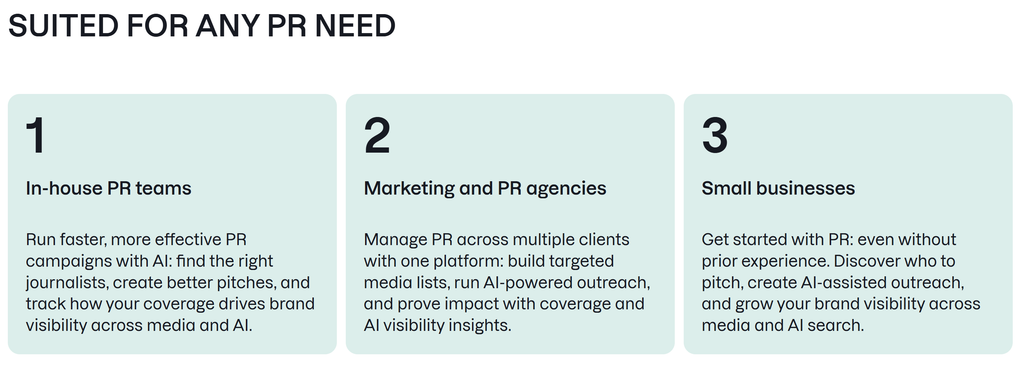
A startup preparing for a product launch could use Prowly to write a press release, organize media contacts, and manage outreach from one place. For smaller teams without a professional PR department, having a simpler workflow can make campaigns easier to manage.
Limitations
Compared with platforms like Cision, Prowly has a smaller media database and fewer advanced analytics features. Larger companies running complex campaigns may eventually need more advanced monitoring and reporting tools.
3)Meltwater
Best for: Social Listening & Media Monitoring
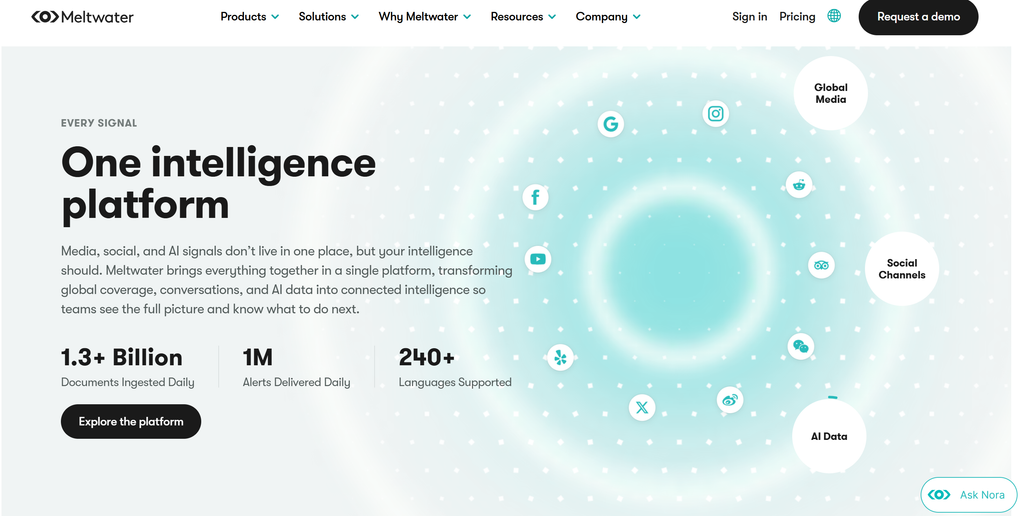
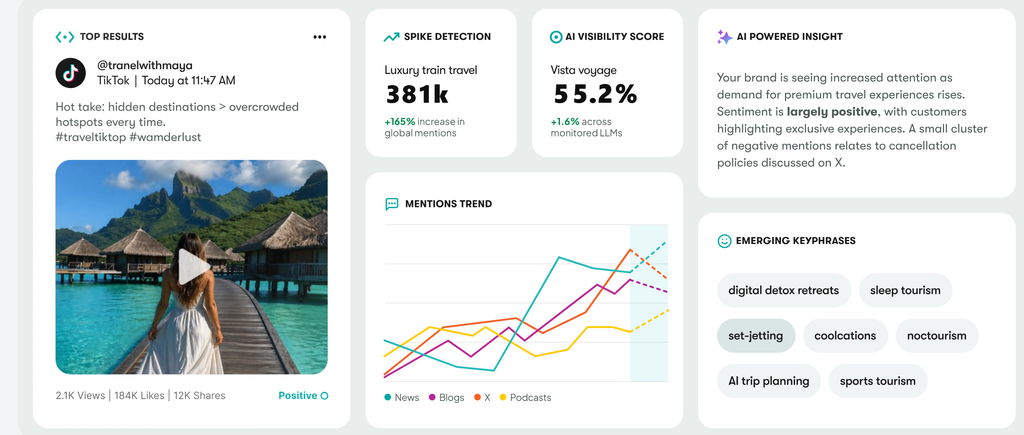
Meltwater is a popular AI PR platform that focuses heavily on social listening and media monitoring. Instead of only helping teams manage outreach, the platform is designed to track online conversations and monitor how brands are being discussed across different channels.
One of its biggest strengths is real-time monitoring. Compared with more traditional PR software, Meltwater places a stronger focus on digital media intelligence. The platform tracks mentions across news websites, blogs, forums, and social media platforms in audience sentiment.
The platform also includes analytics dashboards that organize campaign data in a more visual and accessible way. For PR and marketing teams working together, this makes it easier to understand how campaigns are performing online.
Key Features
- AI-powered social listening
- Real-time media monitoring
- Brand sentiment analysis
- Analytics dashboards
- Influencer and trend tracking
Example Use Case
During a product launch or social media campaign, a PR team could use Meltwater to monitor audience reactions in real time. If a topic suddenly starts trending or public sentiment changes, the team can quickly respond and adjust its messaging.
This type of monitoring can be especially useful for brands that rely heavily on online visibility and fast-moving digital campaigns.
Limitations
Because Meltwater includes many advanced monitoring and analytics features, the platform may feel complex for beginners at first.
Pricing can also be difficult for smaller companies that do not need enterprise-level monitoring tools.
Final Thoughts
Among the platforms covered in this article, Cision works best for media outreach and large-scale press distribution. Prowly focuses more on simplifying day-to-day PR workflows, while Meltwater stands out for monitoring audience sentiment and tracking online conversations in real time.
Ultimately, the best AI PR tool depends on your budget, workflow, and team size. As AI continues to become more common in the PR industry, these platforms will likely play an even bigger role in how brands manage communication and media outreach.
Frequently Asked Questions
1. What are AI PR tools?
AI PR tools are software platforms that use artificial intelligence to help PR teams manage media outreach, press release writing, brand monitoring, sentiment analysis, campaign reporting, and social media tracking. They help automate repetitive PR tasks so teams can work faster and stay organized during campaigns.
2. How do AI PR tools help with media outreach?
AI PR tools can help teams find relevant journalists, build targeted media lists, personalize pitches, track outreach history, and manage follow-ups. Instead of manually searching for contacts and updating spreadsheets, PR teams can manage outreach from one centralized platform.
3. What are the key features to look for in an AI PR tool?
The most important features include a high-quality media database, AI-assisted writing, media monitoring, sentiment analysis, campaign reporting, PR CRM tools, social listening, and easy collaboration features. The right features depend on whether your team focuses more on outreach, monitoring, or full campaign management.
4. Are AI PR tools suitable for small businesses?
Yes, some AI PR tools are suitable for small businesses, especially platforms with simple workflows, lower learning curves, and built-in writing or outreach features. However, enterprise platforms with large media databases and advanced analytics may be too expensive or complex for smaller teams.
5. Can AI PR tools write press releases?
Many AI PR tools include AI writing features that can help draft press releases, media pitches, campaign summaries, and PR content. These tools can speed up the writing process, but human review is still important to make sure the message is accurate, brand-safe, and newsworthy.
6. What is the difference between AI PR tools and traditional PR software?
Traditional PR software usually focuses on contact management, press release distribution, and media monitoring. AI PR tools add automation and intelligence to these workflows, such as AI-assisted writing, smart journalist recommendations, sentiment analysis, trend detection, and automated reporting.
7. How much do AI PR tools cost?
AI PR tool pricing varies widely. Some platforms offer plans for startups and small teams, while enterprise tools often use custom pricing. Larger platforms with advanced media databases, monitoring, and analytics can cost thousands of dollars per year, so pricing should be considered based on team size, campaign volume, and required features.
8. What is the best AI PR tool for PR teams?
The best AI PR tool depends on your team’s main goal. Cision is better suited for large-scale media outreach and press release distribution. Prowly is a good fit for simpler PR workflow management. Meltwater is stronger for social listening, media monitoring, and real-time sentiment tracking.

Related Articles

A marketer-focused shortlist of the best Hermes Agent skills in 2026, plus a rubric to choose and maintain skills that ship real work.

Artificial intelligence has become unavoidable in academia. By 2026, almost every student, graduate researcher, and academic writer has experimented with tools like ChatGPT or Gemini. These models are fast, impressive, and surprisingly versatile.